In Florida, spring doesn’t just bring blooming flowers—it also brings heavier rains, rising water levels, and an increased risk of costly water damage. While the phrase “April showers bring May flowers” sounds harmless, for homeowners it can sometimes mean something far less pleasant: unexpected flood claims.
The good news? Many water-related issues are preventable with a little preparation and awareness.
Why Water Damage Is a Bigger Risk Than You Think
Water damage is one of the most common (and expensive) types of home insurance claims in Florida. Between sudden downpours, clogged drainage systems, and aging home infrastructure, it doesn’t take much for water to find its way where it shouldn’t.
Even more important to understand: not all water damage is covered the same way. Standard homeowners insurance typically covers sudden and accidental damage (like a burst pipe), but flooding from rising water or heavy rain usually requires a separate flood insurance policy.
Common Causes of Water Damage in Florida Homes
- Heavy rainfall and poor drainage around the home
- Clogged gutters and downspouts
- Roof leaks or missing shingles
- Broken or aging plumbing systems
- Faulty appliances (water heaters, washing machines, dishwashers)
- Foundation cracks or improper grading
Knowing the risks is the first step—taking action is the next.
Simple Steps to Prevent Water Damage
A little maintenance can go a long way in protecting your home and avoiding costly claims.
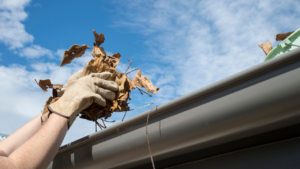
1. Keep Gutters and Downspouts Clear
Make sure gutters are free of leaves and debris so water can flow away from your home. Downspouts should direct water at least a few feet away from your foundation.
2. Inspect Your Roof Regularly
Look for loose or missing shingles, damaged flashing, or signs of wear. Small roof issues can quickly turn into major leaks during heavy rain.
3. Check Seals Around Windows and Doors
Cracked or worn seals can allow water to seep inside during storms. Resealing is a quick, inexpensive fix.
4. Maintain Your Plumbing System
Inspect pipes, hoses, and connections for leaks or corrosion. Replace aging water heater hoses and appliance lines before they fail.
5. Ensure Proper Drainage Around Your Home
The ground around your foundation should slope away from the house. Standing water near your home increases the risk of seepage and flooding.
6. Install a Sump Pump (If Needed)
For homes in flood-prone or low-lying areas, a sump pump can help prevent water from accumulating in basements or crawl spaces.
7. Consider a Water Leak Detection Device
Smart leak detectors can alert you to problems early—before they turn into major damage.
Don’t Overlook Flood Insurance
Here’s one of the biggest misconceptions we see: many homeowners assume flood damage is covered under their standard policy. In reality, flood insurance is a separate policy—and in Florida, it’s often essential.
Even if you’re not in a high-risk flood zone, flooding can still happen due to heavy rain, overwhelmed drainage systems, or nearby construction changes. Waiting until a storm is on the way is too late—most flood policies have a waiting period before coverage begins.
Final Thoughts: A Little Prevention Goes a Long Way
April showers don’t have to turn into insurance claims. With a few proactive steps and the right coverage in place, you can protect your home, your finances, and your peace of mind.
If you’re unsure whether your current policy fully protects you from water damage or flooding, it’s a great time to review your coverage and make sure there are no gaps.
Need Guidance on Your Coverage?
Whether you’re unsure what your current policy covers, wondering if you need flood insurance, or just want a second opinion, our team is here to help every step of the way. We’ll take the time to review your existing coverage, explain any gaps in plain language, and provide clear, fast options tailored to your home and budget.